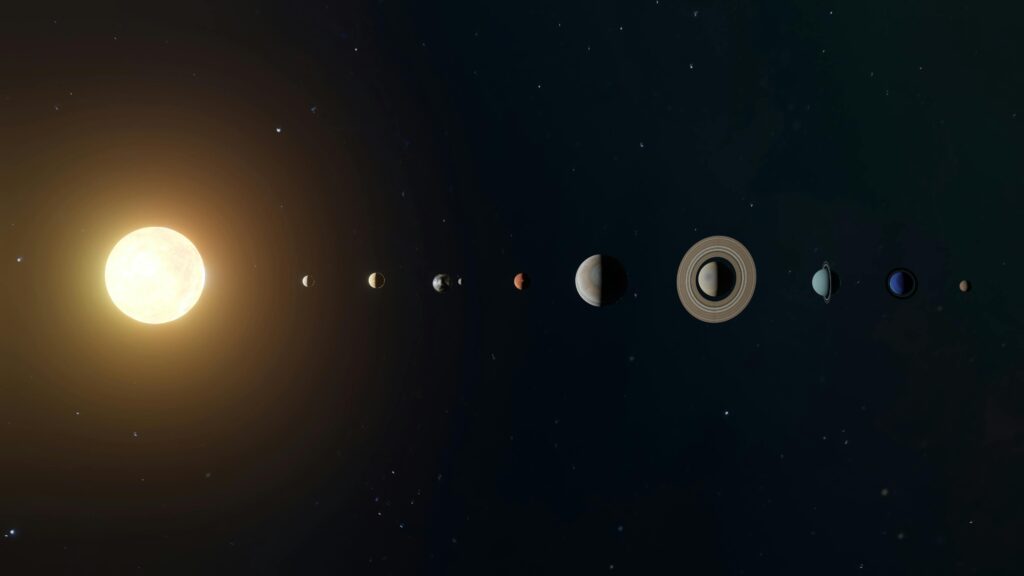
This platform explores real-world events through the lens of physics. From everyday phenomena to theoretical models, the goal is to understand reality through observation, mathematics, and deep analysis.
-
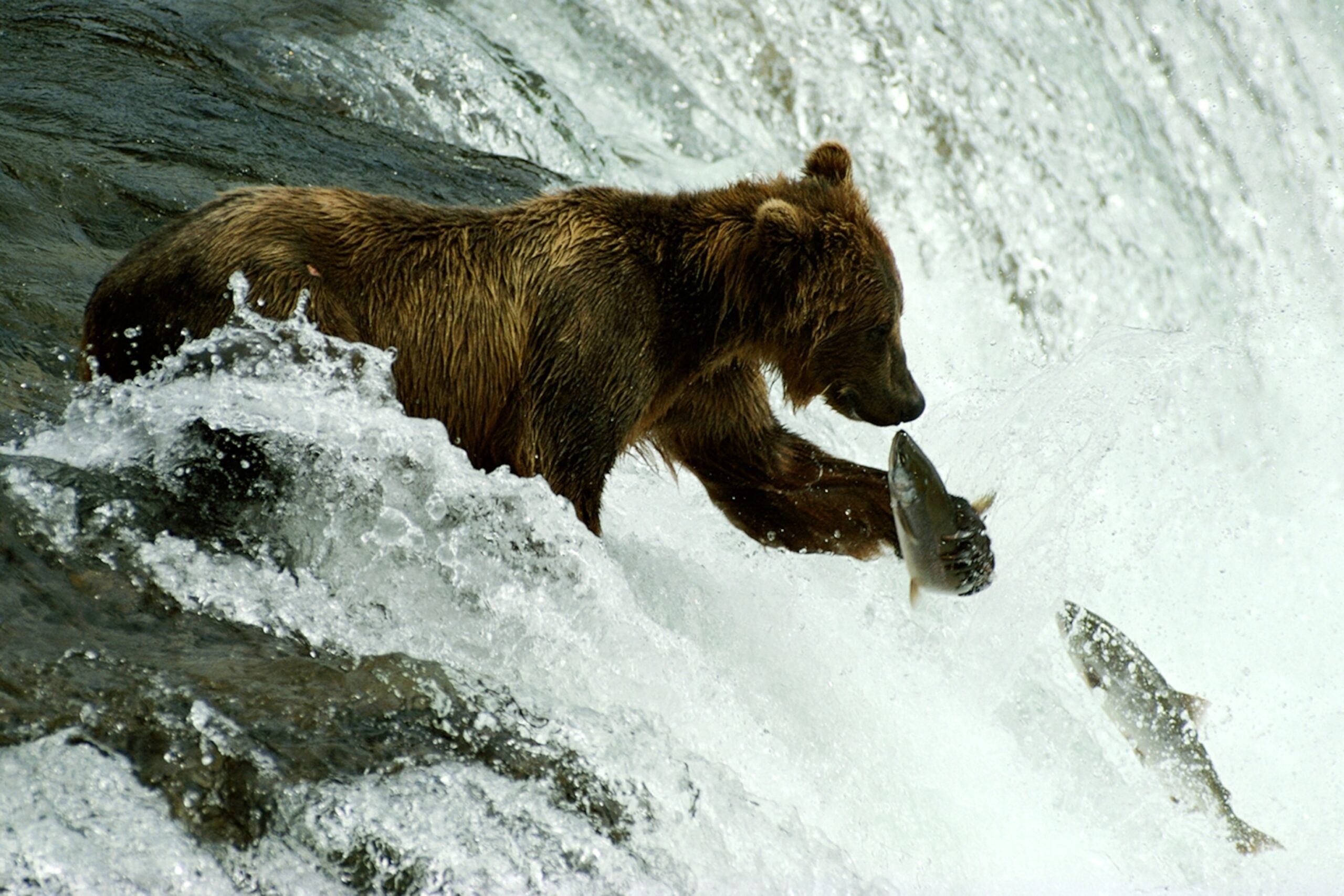
Brown Bear
Read more: Brown BearWhat is it? The brown bear (Ursus arctos) is one of the largest and most powerful land predators on Earth. It is the most widely distributed bear species and includes famous subspecies like the Grizzly bear (North America) and the Eurasian brown bear. Appearance Habitat Extremely diverse. Found in North America, Europe, and Asia. Lives…
-
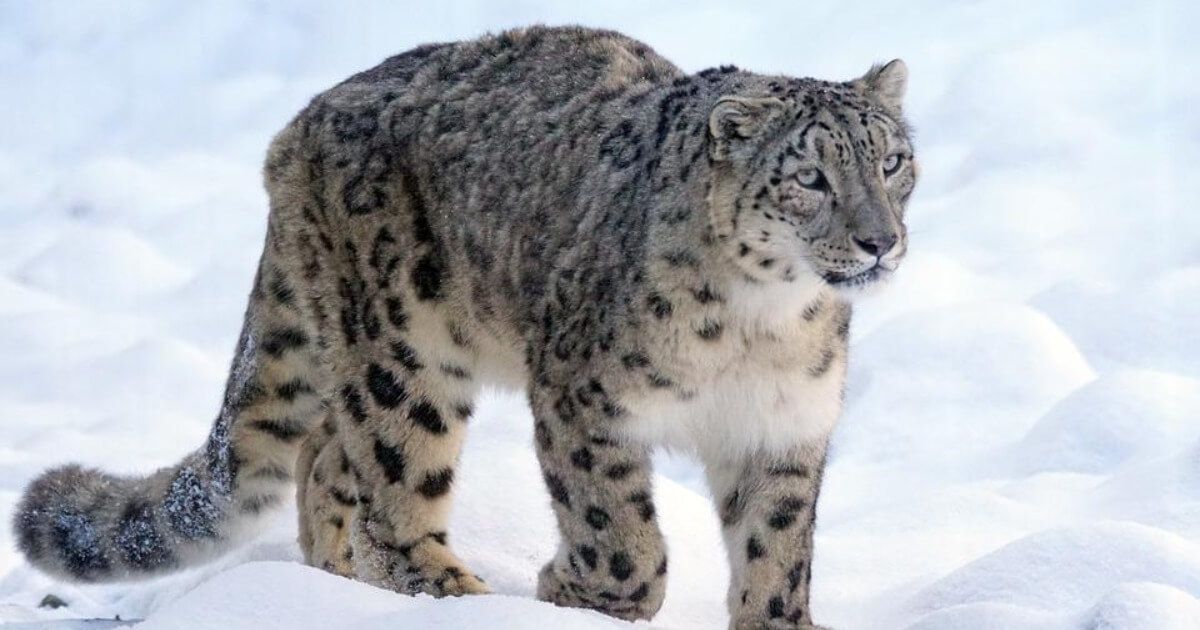
Snow Leopard
Read more: Snow LeopardWhat is it? The snow leopard (Panthera uncia) is a mysterious big cat from the mountains of Central Asia. Nicknamed the “Ghost of the Mountains” because it is rarely seen. Appearance Habitat High-altitude mountain ranges between 3,000–4,500 meters (9,800–14,800 feet). Lives on steep, rocky cliffs and alpine meadows. Where Usually Found? Found across 12 countries…
-
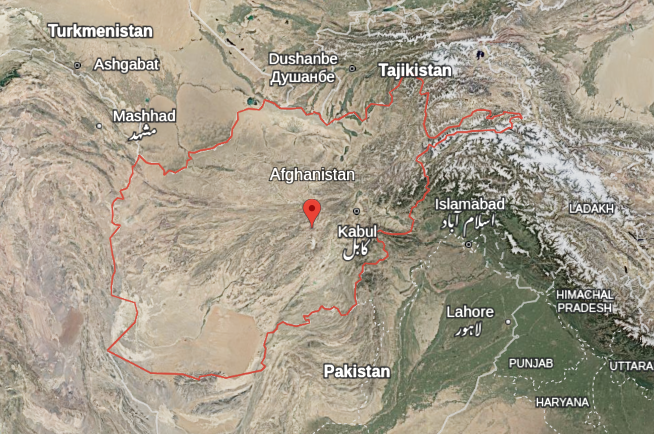
Afghanistan
Read more: AfghanistanAfghanistan is a landlocked country located at the crossroads of Central and South Asia. It is often described as the “Heart of Asia” due to its strategic location connecting the Middle East, Central Asia, the Indian subcontinent, and the Far East. The country is characterized by rugged, mountainous terrain, arid climates, and limited arable land.…
-
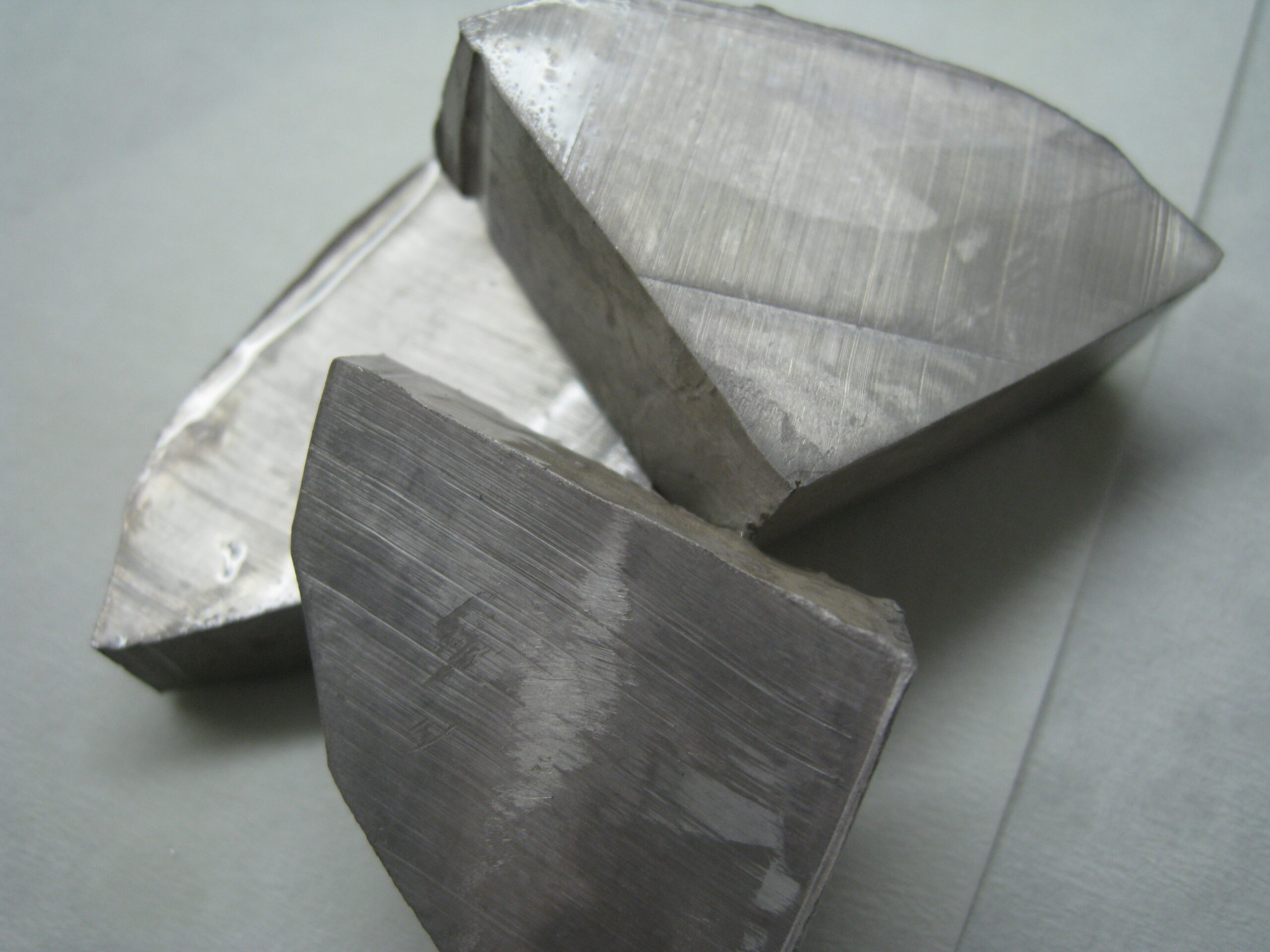
Sodium (Na)
Read more: Sodium (Na)What Is It? Sodium is a soft, silvery-white metal, atomic number 11. It is highly reactive, especially with water, and is never found pure in nature. It is the sixth most abundant element in Earth’s crust. Its symbol Na comes from the Latin name “natrium.” Key Properties Where It’s Used (Real Life) Interesting Facts (Short)…
-
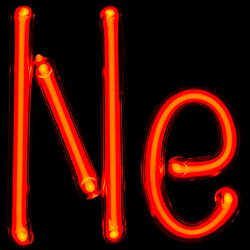
Neon (Ne)
Read more: Neon (Ne)What Is It? Neon is a colorless, odorless, inert gas, atomic number 10. It is a noble gas, meaning it almost never reacts with other elements. It is the fourth most abundant element in the universe but rare on Earth. It was discovered in 1898 by Sir William Ramsay and Morris Travers. Key Properties Where…
-
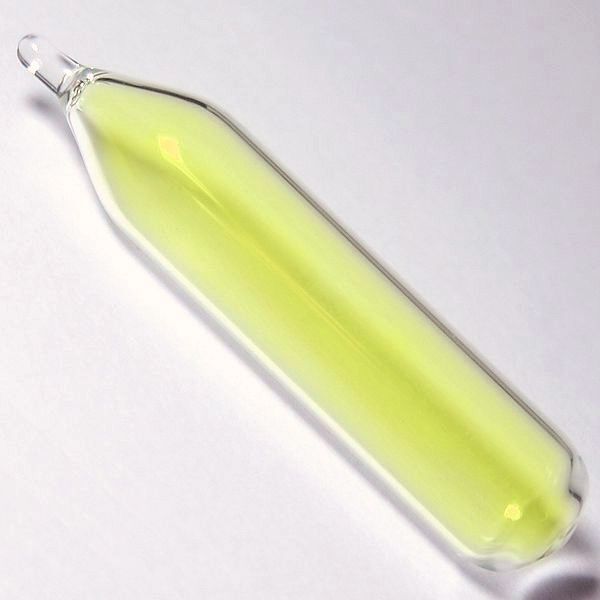
Fluorine (F)
Read more: Fluorine (F)What Is Fluorine? Fluorine is the ninth element on the periodic table (atomic number 9). It is a pale yellow-green gas at room temperature and is the most reactive and electronegative of all elements. This means it has the strongest tendency to grab electrons from other atoms. Fluorine reacts with nearly every other element —…
-
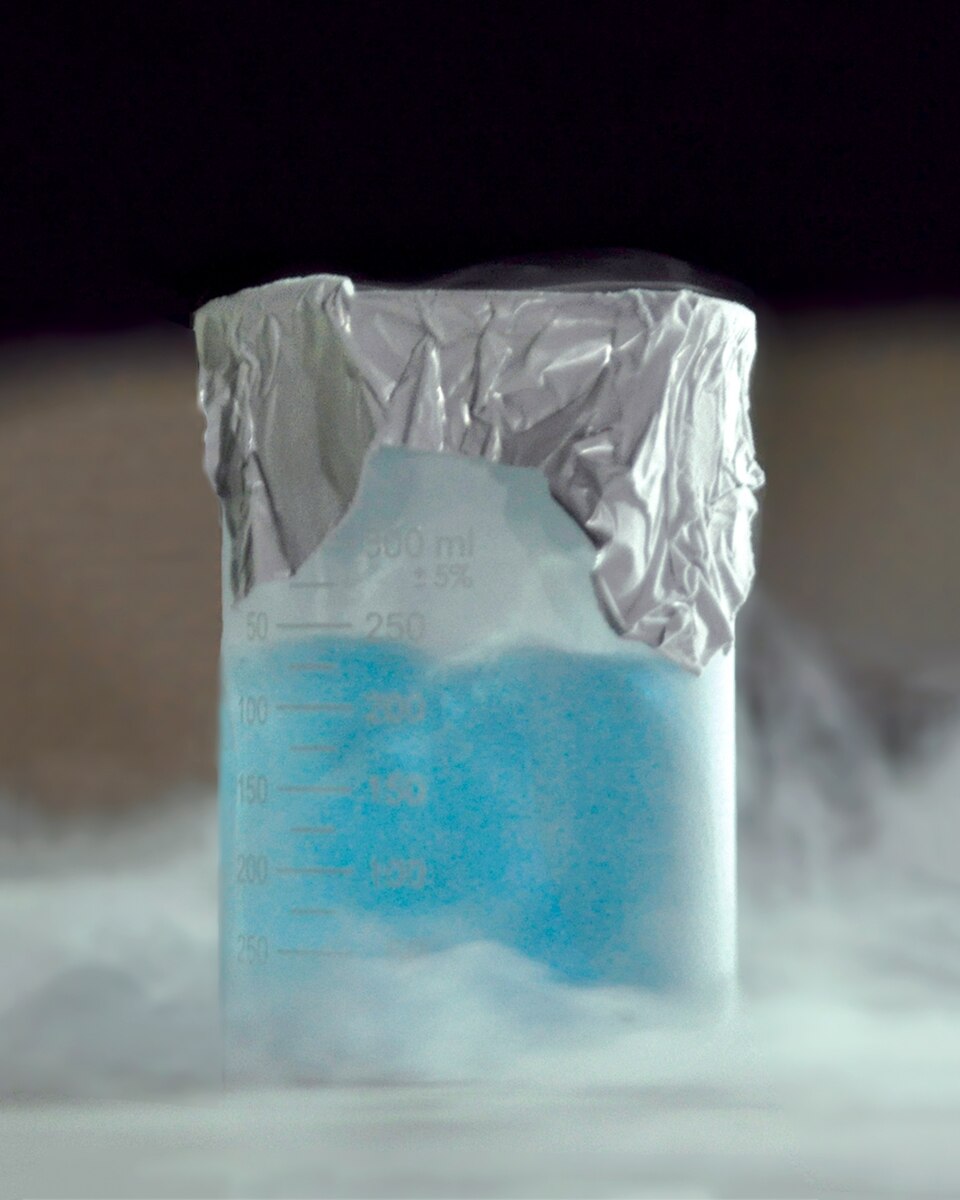
Oxygen (O)
Read more: Oxygen (O)What Is Oxygen? Oxygen is the eighth element on the periodic table (atomic number 8). It is a colorless, odorless, tasteless gas that makes up about 21 percent of Earth’s atmosphere. Oxygen is the third most abundant element in the universe by mass (after hydrogen and helium) and the most abundant element in Earth’s crust.…
-

Nitrogen (N)
Read more: Nitrogen (N)What Is Nitrogen? Nitrogen is the seventh element on the periodic table (atomic number 7). It is a colorless, odorless, tasteless, and mostly inert gas that makes up about 78 percent of Earth’s atmosphere. Nearly four-fifths of the air you breathe is nitrogen. Despite being so common in the air, pure nitrogen is unreactive under…
-
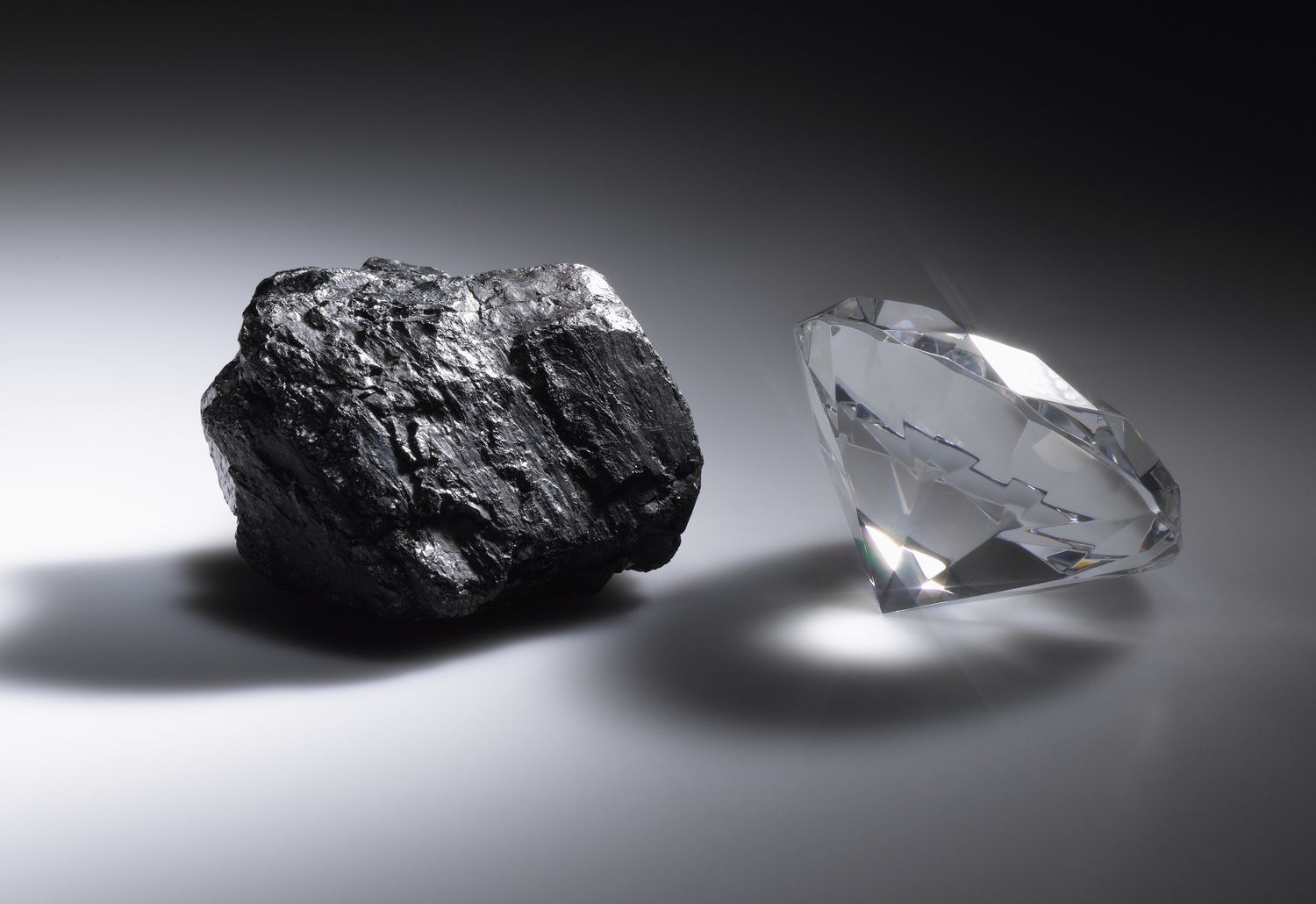
Carbon (C)
Read more: Carbon (C)What Is Carbon? Carbon is the sixth element on the periodic table (atomic number 6). It is a nonmetal and the most versatile element in existence. No other element comes close to carbon in the number of compounds it can form. Over 10 million carbon compounds are known, and millions more are possible. Carbon is…
-
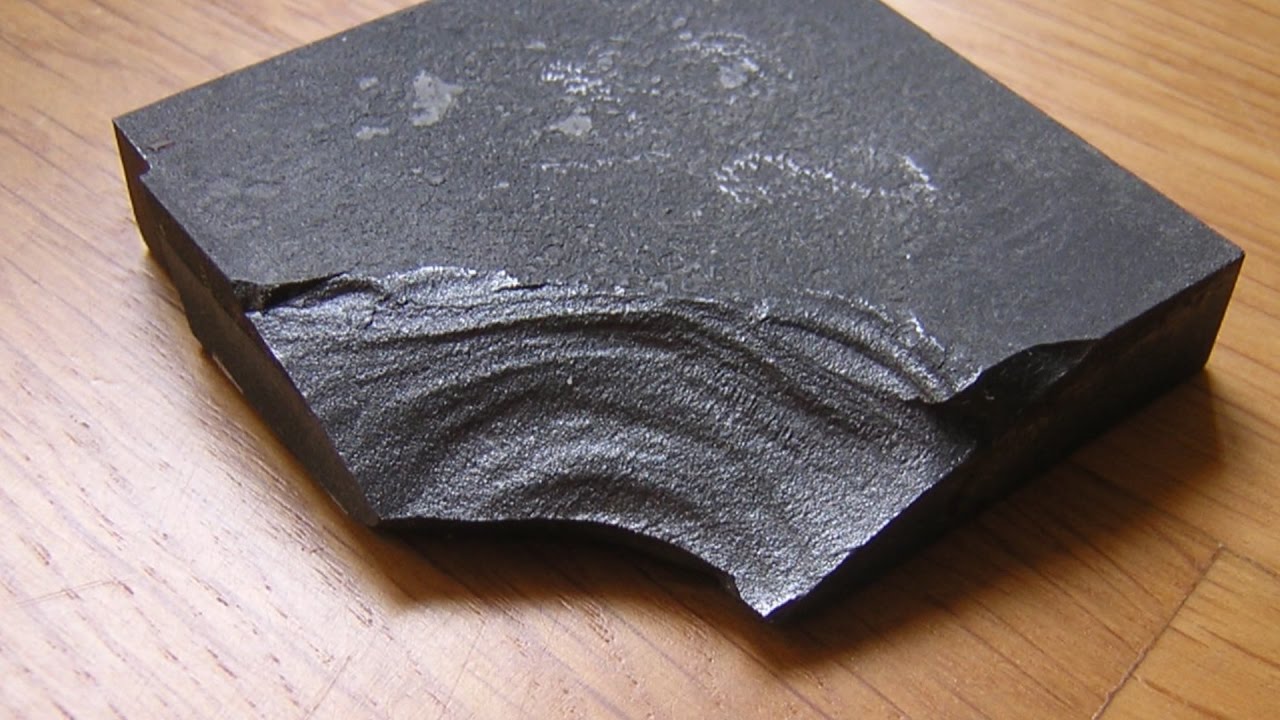
Boron (B)
Read more: Boron (B)What Is Boron? Boron is the fifth element on the periodic table (atomic number 5). It is a metalloid, meaning it has properties between those of metals and nonmetals. Boron is relatively rare in nature and is never found in pure form. Instead, it exists in compounds such as borax and boric acid. Pure boron…