What Is Oxygen?
Oxygen is the eighth element on the periodic table (atomic number 8). It is a colorless, odorless, tasteless gas that makes up about 21 percent of Earth’s atmosphere. Oxygen is the third most abundant element in the universe by mass (after hydrogen and helium) and the most abundant element in Earth’s crust.
Oxygen is highly reactive. It exists as diatomic molecules (O₂) in the air we breathe, but it also forms many other compounds. The most familiar is water (H₂O), which is two hydrogen atoms bonded to one oxygen atom. Oxygen is essential for most life on Earth because it is used by cells to release energy from food.
Interesting fact: About 65 percent of your body mass is oxygen. Most of that oxygen is in the form of water. You are more oxygen than any other element by weight.
Key Properties
| Property | What It Means |
|---|---|
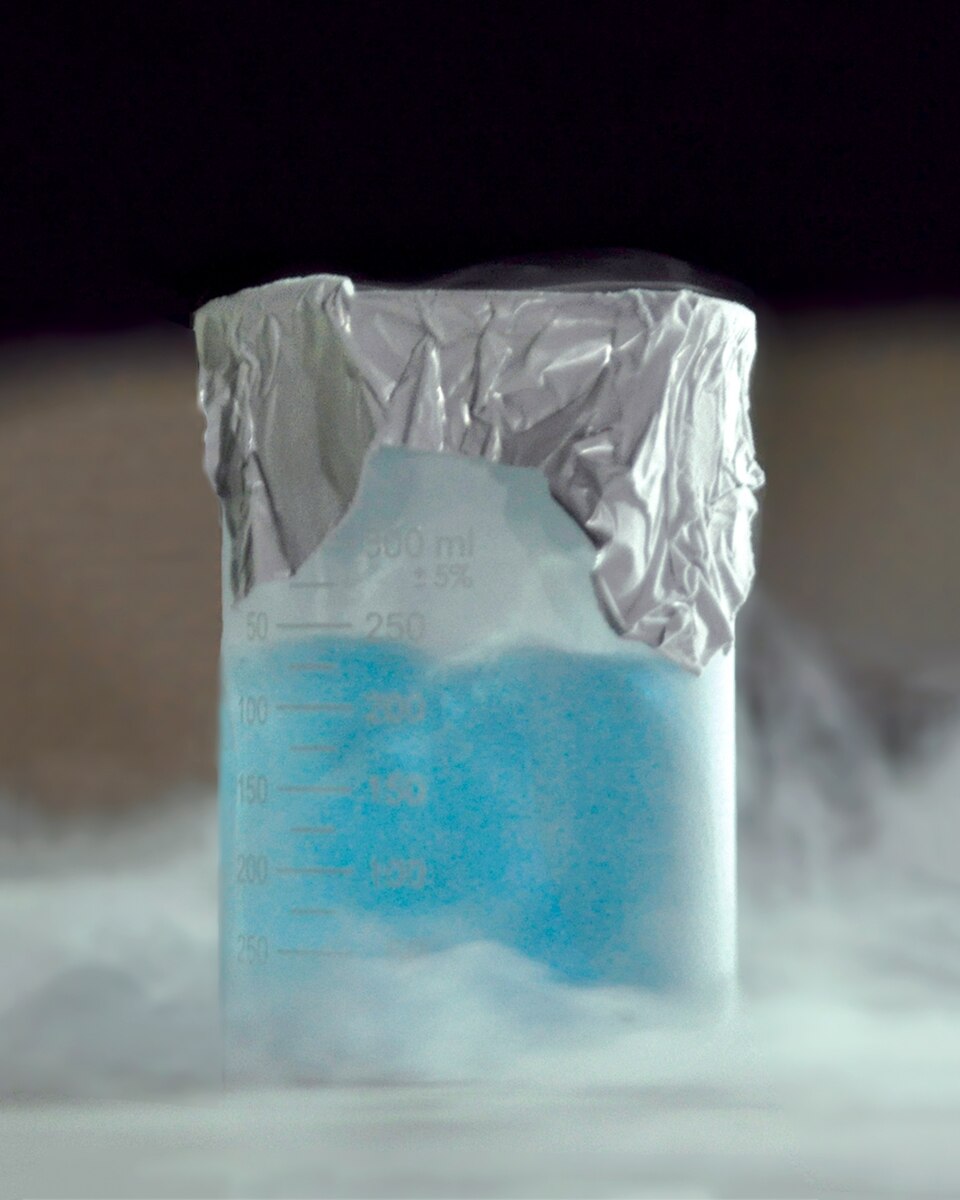
| Color | Colorless (gas and liquid); pale blue (solid) |
| Smell | Odorless |
| Taste | Tasteless |
| State at room temperature | Gas (O₂) |
| Reactivity | Very reactive (supports combustion) |
| Density | Slightly heavier than air |
| Flammability | Not flammable itself, but makes other things burn |
Where Do We Find Oxygen in Daily Life?
You cannot survive more than a few minutes without oxygen, but it has many other uses as well.
In Breathing and Medicine
Every breath you take delivers oxygen to your lungs. From there, it enters your blood and is carried to every cell in your body. Hospitals use supplemental oxygen for patients with breathing problems, pneumonia, COVID-19, heart failure, and many other conditions. Oxygen tanks, concentrators, and masks are common in medical settings. Scuba divers carry compressed oxygen or mixed gases for breathing underwater.
In Water
Every water molecule (H₂O) contains one oxygen atom. The oceans, rivers, lakes, and even the water in your body are about 89 percent oxygen by weight. Aquatic animals such as fish extract dissolved oxygen from water using their gills.
In Fire and Combustion
Fire needs oxygen to burn. That is why covering a fire with a blanket or smothering it with sand or foam cuts off the oxygen supply and extinguishes the flames. Pure oxygen makes fires burn much hotter and faster. Spacecraft and submarines carry oxygen for life support but must be extremely careful about fire safety because pure oxygen atmospheres are highly dangerous.
In Steelmaking
The basic oxygen furnace is the most common method of making steel. Pure oxygen is blown into molten iron, which burns away impurities such as carbon, silicon, and phosphorus. The process takes only about 20 minutes to convert 200 tons of iron into steel. About two-thirds of the oxygen produced commercially is used for steelmaking.
In Wastewater Treatment
Municipal water treatment plants bubble air (or pure oxygen) through sewage. The oxygen supports bacteria that break down organic pollutants. Without this oxygen, the water would remain contaminated with harmful waste.
In Rocket Propulsion
Liquid oxygen (LOX) is the most common oxidizer for rocket engines. It is combined with a fuel such as liquid hydrogen, kerosene, or methane. The reaction produces enormous amounts of hot gas that expands out the nozzle, pushing the rocket upward. The Saturn V rockets that took astronauts to the Moon used liquid oxygen. SpaceX rockets still use it today.
In Chemical Production
Oxygen is used to make many industrial chemicals. Ethylene oxide (made from ethylene and oxygen) is used to produce antifreeze, polyester, and detergents. Propylene oxide is used in plastics and foams. Oxygen is also used to bleach wood pulp for paper production, replacing older chlorine-based methods that created toxic pollution.
Interesting Facts About Oxygen
- Oxygen was discovered in the 1770s by Carl Wilhelm Scheele in Sweden and independently by Joseph Priestley in England. Priestley heated mercuric oxide and collected the gas that came off. He noticed that candles burned much brighter in this gas and that a mouse lived longer in it. The name oxygen comes from Greek words meaning “acid former,” because early chemists thought all acids contained oxygen.
- About 20 percent of the oxygen in Earth’s atmosphere comes from the Amazon rainforest. The other 80 percent comes from microscopic algae and cyanobacteria in the oceans, sometimes called the “lungs of the Earth.” The smallest photosynthetic organisms produce most of the world’s oxygen.
- The oxygen you breathe today was almost entirely produced by living organisms over millions of years. Before about 2.4 billion years ago, Earth’s atmosphere had almost no free oxygen. Ancient cyanobacteria called stromatolites produced oxygen as a waste product, gradually changing the atmosphere and enabling the evolution of oxygen-breathing life.
- A human adult breathes about 11,000 liters (about 2,900 gallons) of air per day, which contains about 2,300 liters (about 600 gallons) of oxygen. The body uses about a quarter of that oxygen, exhaling the rest along with carbon dioxide.
- Oxygen is paramagnetic, meaning it is attracted to magnetic fields. Liquid oxygen poured between the poles of a strong magnet will be held in place, floating against gravity. This property is unusual because most common gases and liquids are diamagnetic (weakly repelled by magnets).
- The ozone layer, which protects life on Earth from harmful ultraviolet radiation, is made of ozone (O₃), a different form of oxygen. Ozone has three oxygen atoms per molecule instead of the usual two. It is formed in the upper atmosphere when ultraviolet light splits O₂ molecules, allowing single oxygen atoms to combine with O₂ to make O₃.
- Ground-level ozone is a pollutant and a component of smog. It damages lungs, reduces crop yields, and corrodes materials. The difference between helpful ozone (high in the atmosphere) and harmful ozone (near the ground) is one of the most important concepts in environmental science.
- Hyperbaric oxygen therapy involves breathing pure oxygen in a pressurized chamber. The increased pressure forces more oxygen into the blood and tissues. It is used to treat decompression sickness (the bends) in divers, severe infections, non-healing wounds, carbon monoxide poisoning, and radiation injuries from cancer treatment.
- Pure oxygen at normal pressure can be breathed safely for a few hours, but prolonged exposure causes lung damage. At higher pressures, oxygen becomes toxic much faster. Deep-sea divers breathing high-pressure oxygen mixtures can suffer convulsions, lung damage, and vision problems. Special gas mixtures with reduced oxygen are used for deep diving.
- Oxygen is the most abundant element in Earth’s crust, making up about 46 percent of its mass. It is found in nearly all minerals and rocks, combined with other elements. Silicon dioxide (sand and quartz) is one example. Aluminum oxide and iron oxide are others.
- The Great Oxidation Event was the sudden rise of atmospheric oxygen about 2.4 billion years ago. It poisoned many anaerobic organisms that could not survive in oxygen, causing one of the largest mass extinctions in Earth’s history. However, it also allowed the evolution of more complex, energy-intensive life forms, including eventually humans.
- Oxygen supports combustion so well that in a pure oxygen atmosphere, materials that do not burn in normal air become flammable. Steel wool, which barely glows in air, burns rapidly and brightly in pure oxygen. Even fire-resistant materials can catch fire in enriched oxygen environments. Spacecraft fire safety is a major concern for this reason.
- The Apollo 1 fire in 1967 killed three astronauts during a ground test. The spacecraft had a pure oxygen atmosphere at higher than normal pressure. A small electrical spark ignited the nylon and other materials in the capsule, and the fire spread so quickly that the astronauts could not escape. After this disaster, NASA changed its procedures and no longer uses pure oxygen at high pressure during ground tests.
- Some medical conditions are treated with supplemental oxygen to prevent low blood oxygen levels (hypoxemia). Chronic obstructive pulmonary disease (COPD), emphysema, chronic bronchitis, severe asthma, cystic fibrosis, and heart failure are common conditions requiring home oxygen therapy. Patients may use oxygen concentrators, liquid oxygen tanks, or compressed gas cylinders depending on their needs.
- The oxygen you exhale is not just carbon dioxide. Exhaled air contains about 16 percent oxygen, 79 percent nitrogen, and 4 percent carbon dioxide. You use only about a quarter of the oxygen you inhale with each breath.
A Safety Note
Oxygen itself is not flammable, but it strongly supports combustion. Any spark or flame in an oxygen-enriched environment can cause rapid, intense fires. Never use oil or grease on oxygen equipment because these substances can ignite spontaneously in the presence of high-pressure oxygen. Do not smoke near oxygen tanks or concentrators. Keep oxygen cylinders secured upright to prevent them from falling and damaging the valve. Liquid oxygen is extremely cold (-183 degrees Celsius) and can cause severe cold burns on contact. It also greatly increases the flammability of materials it touches.
Summary in One Sentence
Oxygen is the reactive gas that makes up 21 percent of the air, is essential for breathing and fire, makes up most of your body weight through water, and is used in steelmaking, rockets, and medicine.
For Science Lovers (Quick Reference)
- Symbol: O
- Atomic number: 8
- Atomic mass: approximately 15.999 u
- Electron configuration: 1s² 2s² 2p⁴
- Melting point: -218.8 degrees Celsius
- Boiling point: -183.0 degrees Celsius
- Density (gas at 0°C): 1.429 grams per liter (heavier than air at 1.293 g/L)
- Density (liquid at boiling point): 1.141 grams per milliliter (denser than water)
- Main stable isotopes: Oxygen-16 (about 99.757 percent natural abundance), Oxygen-17 (about 0.038 percent, stable), Oxygen-18 (about 0.205 percent, stable)
- Radioactive isotopes: Oxygen-14, Oxygen-15 (used in medical PET scans, half-life 122 seconds), Oxygen-19, etc.
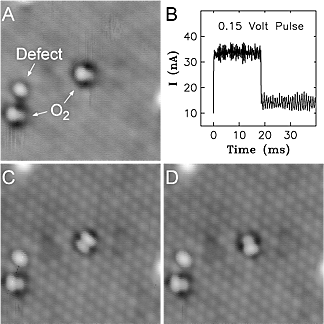
- Molecular forms: Dioxygen (O₂, most common), Ozone (O₃, reactive), Atomic oxygen (O, very reactive, exists in upper atmosphere)
Leave a Reply