What Is Carbon?
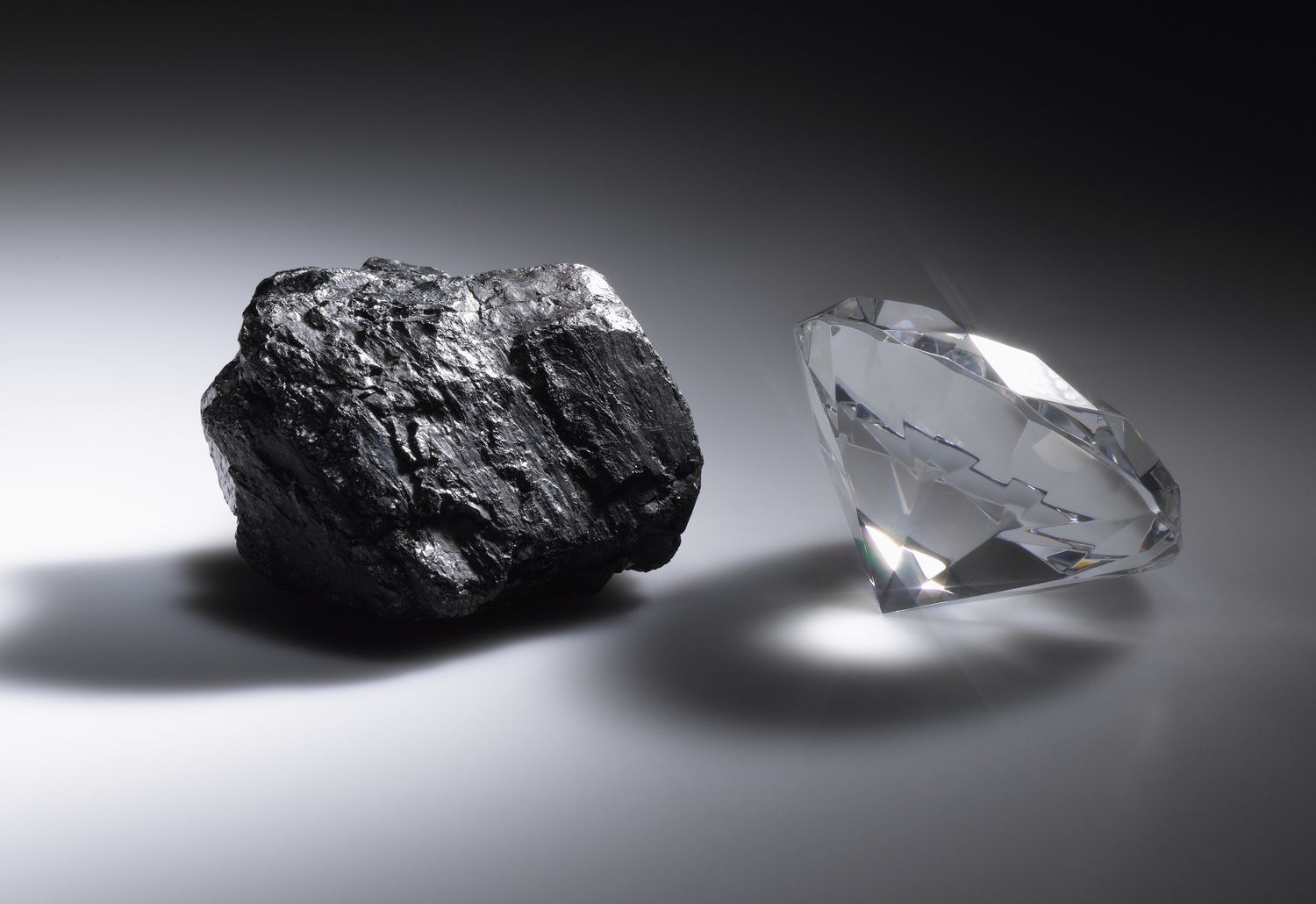
Carbon is the sixth element on the periodic table (atomic number 6). It is a nonmetal and the most versatile element in existence. No other element comes close to carbon in the number of compounds it can form. Over 10 million carbon compounds are known, and millions more are possible.
Carbon is unique because it can bond with itself and other elements in many different ways. It can form chains, rings, sheets, tubes, spheres, and complex three-dimensional structures. This ability is why carbon is the backbone of all known life on Earth.
Interesting fact: You are a carbon-based life form. Nearly every molecule in your body that is essential for life — your DNA, proteins, fats, and carbohydrates — is built on a framework of carbon atoms.
Key Properties
| Property | What It Means |
|---|---|
| Color | Black (graphite, charcoal) or colorless (diamond) |
| State at room temperature | Solid |
| Classification | Nonmetal |
| Ability to form compounds | Extremely high (more than any other element) |
| Electrical conductivity | Varies (graphite conducts, diamond does not) |
| Melting point | Extremely high (approximately 3642 degrees Celsius for graphite, diamond converts to graphite before melting) |
Where Do We Find Carbon in Daily Life?
You encounter carbon constantly because it is everywhere.
In Your Own Body
About 18.5 percent of your body mass is carbon. Your DNA, the instruction manual for your body, is a carbon-based molecule. Your muscles, skin, hair, and organs all contain vast amounts of carbon.
In Food
All the food you eat is carbon-based. Carbohydrates (bread, rice, pasta, sugar), fats (oils, butter, meat fat), and proteins (meat, beans, eggs, dairy) are all built on carbon skeletons. Vitamins and many minerals in organic forms also contain carbon.
In Fuel
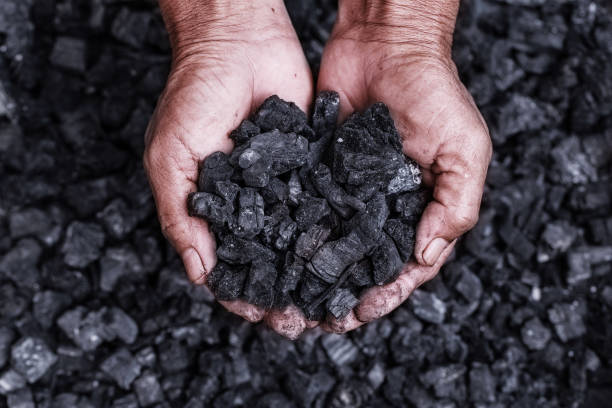
Coal, oil, and natural gas are called fossil fuels because they are made from the remains of ancient living organisms — which were carbon-based. When we burn these fuels, we release carbon dioxide into the atmosphere. Gasoline, diesel, jet fuel, and heating oil are all mixtures of carbon-based molecules.
In Diamonds and Jewelry
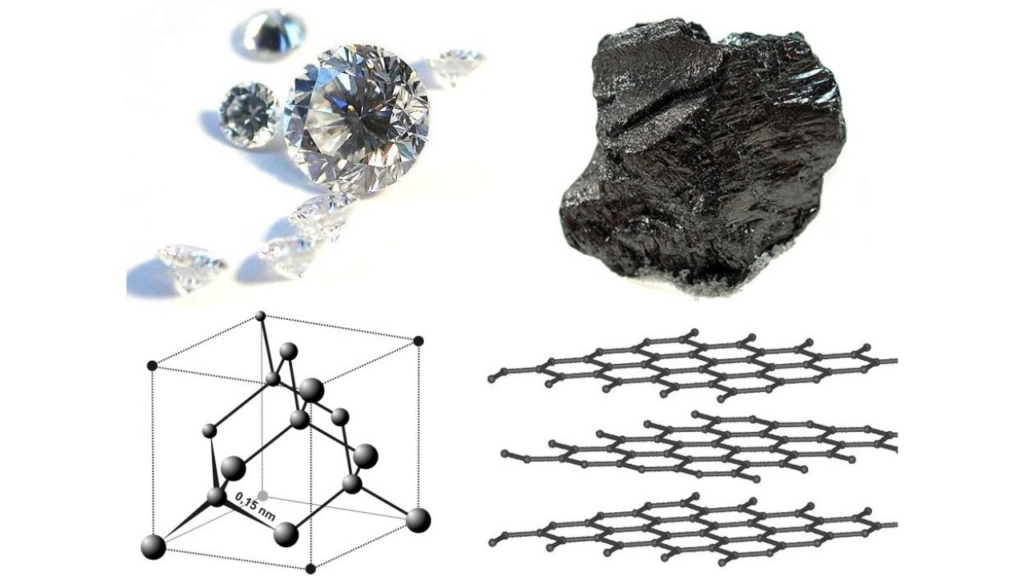
Diamond is pure carbon arranged in a crystal structure where every carbon atom is bonded to four others in a rigid three-dimensional network. This makes diamond the hardest natural material known. Diamonds are used in jewelry, industrial cutting tools, and drill bits.
In Graphite (Pencil “Lead”)
Graphite is also pure carbon, but the atoms are arranged in flat sheets that slide past each other easily. That is why graphite feels slippery and leaves dark marks on paper. Pencil “lead” is actually graphite mixed with clay.
In Charcoal and Activated Carbon
Charcoal is impure carbon made by heating wood without oxygen. Activated carbon is specially treated charcoal with a huge internal surface area. It is used in water filters, air purifiers, gas masks, and some medical treatments to absorb toxins and impurities.
In Clothing and Textiles
Cotton, wool, linen, silk, and synthetic fibers like polyester and nylon are all carbon-based. Even leather is mostly carbon.
In Medicines
Most pharmaceutical drugs are organic molecules, meaning they contain carbon. Aspirin, ibuprofen, penicillin, paracetamol (acetaminophen), and nearly every other medication you have taken is built on carbon.
In Plastics and Polymers
Everything made of plastic — bottles, bags, toys, pipes, containers, phone cases, car dashboards — is made of long carbon-based molecules called polymers. Rubber, silicone, and synthetic fabrics are also carbon-based.
In Steel and Iron
Steel is an alloy of iron and carbon. The amount of carbon (typically 0.2 to 2.1 percent) determines whether the steel is soft and ductile or hard and brittle. Cast iron contains even more carbon (2 to 4 percent) and is very hard but brittle.
Interesting Facts About Carbon
- Carbon is the fourth most abundant element in the universe by mass (after hydrogen, helium, and oxygen). It is produced inside stars through nuclear fusion. In massive stars, carbon is a stepping stone to heavier elements like oxygen, neon, and iron.
- All known life on Earth is carbon-based. Scientists have speculated about silicon-based life because silicon is directly below carbon on the periodic table and also forms four bonds. However, silicon-based life has never been found or successfully created in a laboratory.
- Diamond is the hardest natural substance, but it is not the hardest substance overall. Some synthetic materials, such as ultrahard fullerite (a form of carbon) and certain boron-nitrogen compounds, can be harder. However, diamond remains the hardest naturally occurring material.
- Graphite, another form of pure carbon, conducts electricity. That is why graphite electrodes are used in some batteries and in electric arc furnaces for steelmaking. Diamond, in contrast, is an excellent electrical insulator.
- There is a third well-known form of carbon called fullerene or buckminsterfullerene (C₆₀). These are hollow spheres, tubes, or ellipsoids made entirely of carbon atoms. The spherical form looks like a soccer ball and was discovered in 1985. Carbon nanotubes are cylindrical fullerenes that are incredibly strong and conductive.
- Graphene is a single layer of graphite just one atom thick. It was isolated for the first time in 2004 by two scientists who won the Nobel Prize for their work. Graphene is about 200 times stronger than steel, conducts electricity better than copper, and is nearly transparent.
- The carbon in your body was once inside a star. All carbon heavier than helium was created by nuclear fusion in ancient stars that exploded long before Earth existed. You are literally made of stardust.
- Diamonds are not forever. At normal surface temperatures and pressures, diamond is actually unstable. It slowly, very slowly, converts to graphite. However, the conversion rate at room temperature is so slow that it would take billions of years for a noticeable change.
- The world’s largest diamond is the Cullinan Diamond, discovered in South Africa in 1905. It weighed 3,106 carats (about 1.37 pounds or 0.62 kilograms) uncut. It was cut into several large gems, many of which are part of the British Crown Jewels.
- Charcoal has been used as a drawing material for over 30,000 years. Prehistoric cave paintings often used charcoal from burnt wood. The Lascaux cave paintings in France, which are about 17,000 years old, contain charcoal.
- Carbon-14 is a radioactive isotope of carbon with 8 neutrons instead of the usual 6. It is used in radiocarbon dating to determine the age of once-living materials. Anything that was alive within the last 50,000 to 60,000 years can be dated using carbon-14. This technique revolutionized archaeology.
- The world’s largest source of industrial diamonds is not mines but factories. Synthetic diamonds made by subjecting graphite to high pressure and high temperature are cheaper than natural diamonds for industrial uses and are often purer.
- Carbon black, a fine powder of nearly pure carbon, is used as a black pigment in inks, paints, toners, and plastics. It is also added to car tires to strengthen the rubber and make it last longer. Most car tires contain about 30 percent carbon black by weight.
- Some forms of carbon, such as certain fullerenes and carbon nanotubes, have been investigated for medical uses including drug delivery, cancer treatment, and artificial implants. Research is ongoing but promising.
- Carbon dioxide (CO₂) is a greenhouse gas that traps heat in Earth’s atmosphere. Human activities, especially burning fossil fuels, have increased atmospheric CO₂ levels by about 50 percent since the Industrial Revolution. This is the primary driver of modern climate change.
A Safety Note
Pure carbon in its solid forms (graphite, diamond, charcoal) is generally non-toxic and safe to handle. Graphite dust can irritate the lungs if inhaled in large amounts, but it is not chemically poisonous. Carbon monoxide (CO), however, is a deadly poison. It is produced when fuels burn with insufficient oxygen. Carbon monoxide has no color, smell, or taste and can kill within minutes in high concentrations. Every home should have a carbon monoxide detector. Carbon dioxide (CO₂) is not toxic in normal concentrations but can cause suffocation by displacing oxygen in enclosed spaces.
Summary in One Sentence
Carbon is the most versatile element, forming millions of compounds including all known life, diamonds, graphite, plastics, fuels, medicines, and the steel that builds modern civilization.
For Science Lovers (Quick Reference)
- Symbol: C
- Atomic number: 6
- Atomic mass: approximately 12.011 u
- Electron configuration: 1s² 2s² 2p²
- Melting point (graphite): Approximately 3642 degrees Celsius (sublimes rather than melts at atmospheric pressure)
- Sublimation point (graphite): 3642 degrees Celsius at 1 atmosphere
- Boiling point (graphite): Approximately 3642 degrees Celsius (actually sublimes, so no liquid at atmospheric pressure)
- Density (graphite): 2.26 grams per cubic centimeter
- Density (diamond): 3.51 grams per cubic centimeter
- Main stable isotopes: Carbon-12 (about 98.9 percent natural abundance), Carbon-13 (about 1.1 percent)
- Radioactive isotope: Carbon-14 (trace amounts, half-life of 5,730 years)
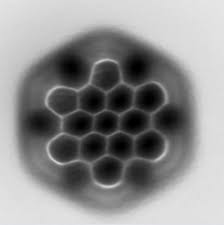
- Crystal forms: Graphite (hexagonal sheets), Diamond (cubic tetrahedral), Fullerenes (spherical or tubular), Graphene (single-layer hexagonal sheet), Amorphous carbon (no long-range order)
Leave a Reply