- Scientific name: Tetraogallus (genus with 5 species)
- Size: 50–65 cm (20–26 inches) | Weighs over 2 kg (4.4 lbs)
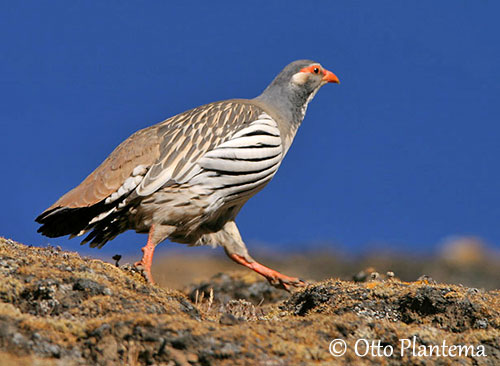
- Appearance: Large, bulky grey-brown bird with black spots, striking white belly and under-tail (visible in flight). Males and females look similar.
- Habitat: The highest-living bird on Earth – rocky mountain slopes between 3,000–6,000 meters (up to 19,700 feet). In summer, found as high as 8,000 meters (26,200 feet).
- Where found: High mountains of southern Eurasia – Caucasus, Himalayas, Tibetan Plateau, Altai Mountains, and western China.
- Five species: Himalayan, Tibetan, Altai, Caucasian, and Caspian snowcock.
- Diet: Mostly herbivorous – leaves, shoots, berries, seeds. Eats some insects.
- Behavior: Lives in small flocks (10–20 birds). Diurnal (active by day). Posts sentry lookouts that scream an alarm call at danger.
- Flight: Poor flier – runs uphill, launches, and glides down.
- Lifespan: Unknown in wild, likely 5–10 years.
- Conservation status: Least Concern (most species). Populations stable.
- Main predators: Snow leopards, golden eagles, foxes, lynx.
- Fun fact: Built to survive -40°C (-40°F) with thick, downy feathers.
Snowcock
Leave a Reply