What Is Beryllium?
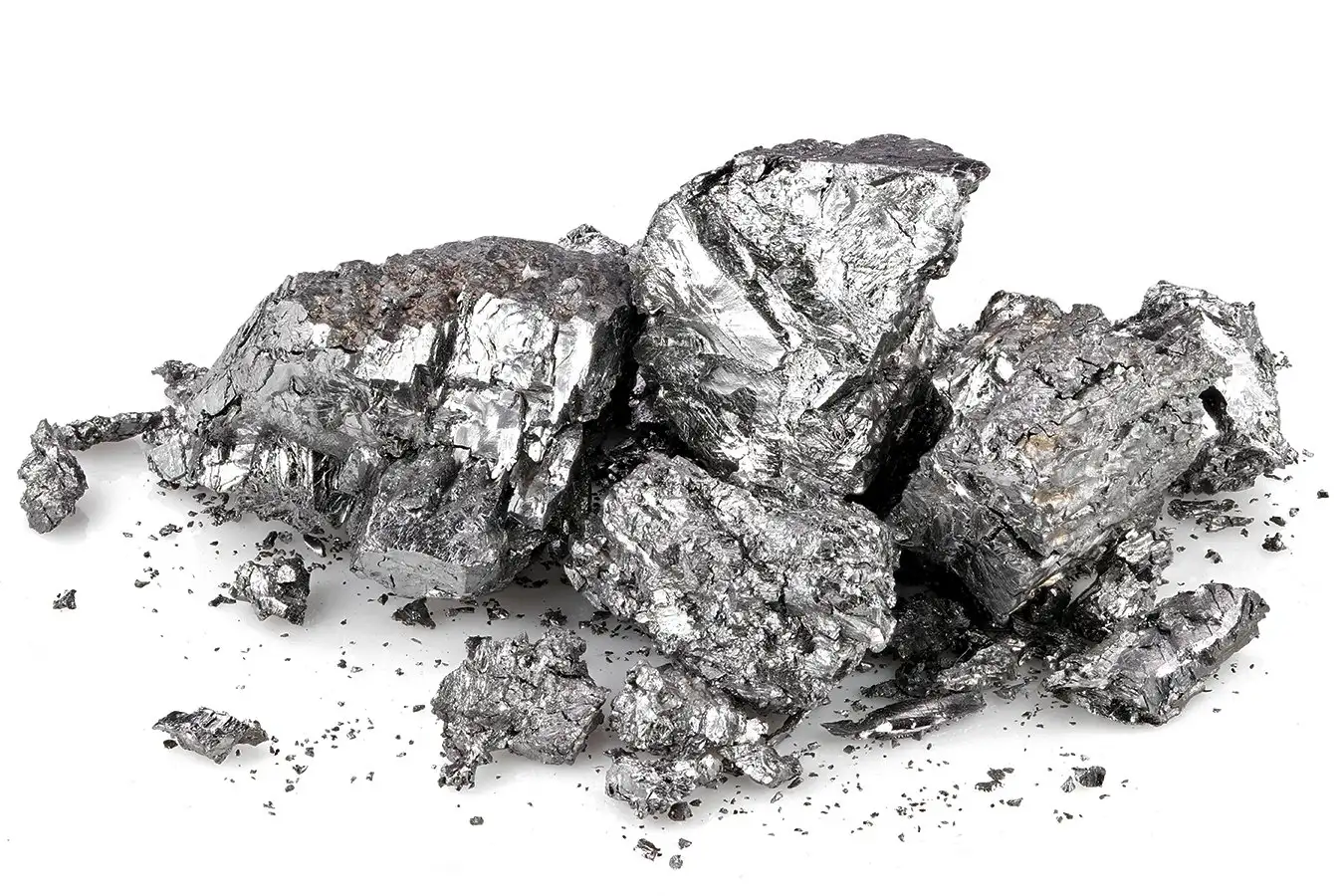
Beryllium is the fourth element on the periodic table (atomic number 4). It is a relatively rare, steel-gray, brittle metal that is one-third lighter than aluminum but significantly stiffer than steel. Despite being a metal, beryllium is transparent to X-rays, which is a highly unusual property.
Beryllium is never found in pure form in nature. It exists in minerals such as beryl (emerald and aquamarine are gemstone forms of beryl) and bertrandite. The element was discovered in 1798, but pure beryllium metal was not produced until 1828.
Interesting fact: The gemstones emerald and aquamarine are the same mineral (beryl) with small amounts of impurities. Emerald gets its green color from traces of chromium or vanadium, while aquamarine is blue-green from iron impurities. Both contain beryllium as their primary metal component.
Key Properties
| Property | What It Means |
|---|---|
| Color | Steel-gray |
| State at room temperature | Solid metal |
| Density | Light (about 1.85 times denser than water) |
| Stiffness | Very high — about one-third stiffer than steel |
| Melting point | Very high for a light metal (1287 degrees Celsius) |
| X-ray transparency | X-rays pass through beryllium easily |
Where Do We Find Beryllium in Daily Life?
Most people never see pure beryllium, but it plays critical roles in specialized technologies.

In Aerospace and Defense
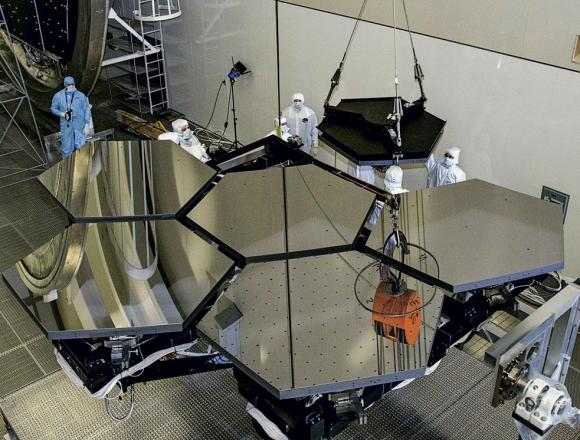
Beryllium is used in satellite structures, missile guidance systems, and aircraft brakes because it is both lightweight and extremely stiff. It also withstands high temperatures without warping. The mirrors of the James Webb Space Telescope contain beryllium because it remains stable at the extreme cold of space (around -233 degrees Celsius).
In X-Ray Machines
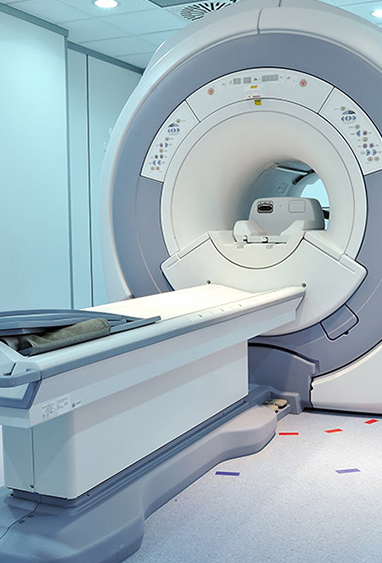
Because beryllium is transparent to X-rays, it is used as a window in X-ray tubes and detectors. The beryllium window allows X-rays to pass through while keeping the vacuum inside the tube intact. Medical and industrial X-ray machines often use beryllium.
In Nuclear Reactors
Beryllium is used as a neutron reflector and moderator in nuclear reactors. It reflects neutrons back into the reactor core, making the nuclear chain reaction more efficient. Some experimental nuclear reactors also use beryllium as a neutron source when combined with polonium or other alpha-emitters.
In High-Speed Electronics
Beryllium oxide is an excellent electrical insulator but also conducts heat very well. It is used as a heat sink in high-power transistors, laser diodes, and radio frequency devices. The material pulls heat away from sensitive electronics while preventing electrical shorts.
In Precision Instruments
Beryllium is used in gyroscopes, accelerometers, and other navigation instruments because it does not change shape significantly with temperature. This stability is critical for spacecraft, submarines, and missiles that must navigate accurately over long periods.

In Springs and Moving Parts
Beryllium-copper alloys (typically 2 percent beryllium, 98 percent copper) are used for electrical connectors, springs, switches, and non-sparking tools. These alloys are extremely strong, resist metal fatigue, and do not create sparks when struck against hard surfaces. Non-sparking beryllium-copper tools are used in oil refineries, grain silos, and other explosive environments.
Interesting Facts About Beryllium
- Beryllium was originally called “glucinium” (from the Greek word for sweet) because its compounds taste sweet. This name was abandoned because beryllium compounds are highly toxic and should never be tasted. The name “beryllium” comes from the mineral beryl.
- Despite being a metal, beryllium is actually brittle at room temperature. You can shatter it like glass or ceramic rather than bend it like iron or copper.
- Beryllium has the highest melting point of the light metals (elements with density below 2 grams per cubic centimeter). It melts at 1287 degrees Celsius, while aluminum melts at only 660 degrees Celsius.
- The James Webb Space Telescope’s beryllium mirrors were polished so precisely that the surface irregularities are smaller than a single atom in some places. No other material could survive the extreme cold of space while maintaining that level of precision.
- Beryllium is one of the few elements that can reflect neutrons. Most elements absorb or simply do not interact strongly with neutrons, but beryllium bounces them back effectively.
- When beryllium is struck by alpha particles (helium nuclei) from a radioactive source, it emits neutrons. This reaction is often used in small portable neutron sources for oil well logging and materials analysis.
- Beryllium expands and contracts very little with temperature changes. Its coefficient of thermal expansion is about the same as glass and certain ceramics. This makes it invaluable for precision optical mounts that must stay aligned over wide temperature ranges.
- The first commercial use of beryllium was in the 1930s for fluorescent light bulbs. Beryllium compounds were used as phosphors to convert ultraviolet light into visible light. This use stopped when the toxicity of beryllium became well understood.
- Beryllium is produced in the universe by cosmic ray spallation. High-energy cosmic rays break apart larger atoms like carbon and oxygen in interstellar space, creating beryllium. This is why beryllium is much rarer than elements with similar atomic numbers.
- Some of the most expensive consumer headphones use beryllium or beryllium-coated speaker drivers. The extreme stiffness and low weight of beryllium allow the speaker diaphragm to move very quickly without distorting, producing clearer high-frequency sounds.
- Beryllium does not corrode in the same way as iron. It forms a thin, transparent oxide layer that protects the metal underneath. This oxide layer is only a few nanometers thick but is very stable.
- The largest natural beryl crystal ever found weighed over 18 metric tons (about 40,000 pounds). It was discovered in Madagascar in the 1950s.
A Safety Note
Beryllium and its compounds are highly toxic. Inhaling beryllium dust or fumes can cause a serious lung disease called chronic beryllium disease (CBD), which has no cure. The disease causes inflammation and scarring of the lungs, leading to coughing, shortness of breath, and fatigue. Some people develop an immune reaction to beryllium called beryllium sensitization before developing CBD. Workers who machine or process beryllium must use specialized ventilation and protective equipment. Finished beryllium products that are solid and intact are safe to handle, but any grinding, cutting, or polishing creates dangerous dust.
Summary in One Sentence
Beryllium is a lightweight, extremely stiff metal that is transparent to X-rays, used in spacecraft mirrors, nuclear reactors, and non-sparking tools, but it is highly toxic when inhaled as dust.
For Science Lovers (Quick Reference)
- Symbol: Be
- Atomic number: 4
- Atomic mass: approximately 9.012 u
- Electron configuration: 1s² 2s²
- Melting point: 1287 degrees Celsius
- Boiling point: 2470 degrees Celsius
- Density: 1.85 grams per cubic centimeter (about 1.85 times water)
- Crystal structure: Hexagonal close-packed
- Main isotope: Beryllium-9 (100 percent natural abundance, stable)
- Mohs hardness: 5.5 (harder than glass, softer than steel)
Leave a Reply