What Is Lithium?
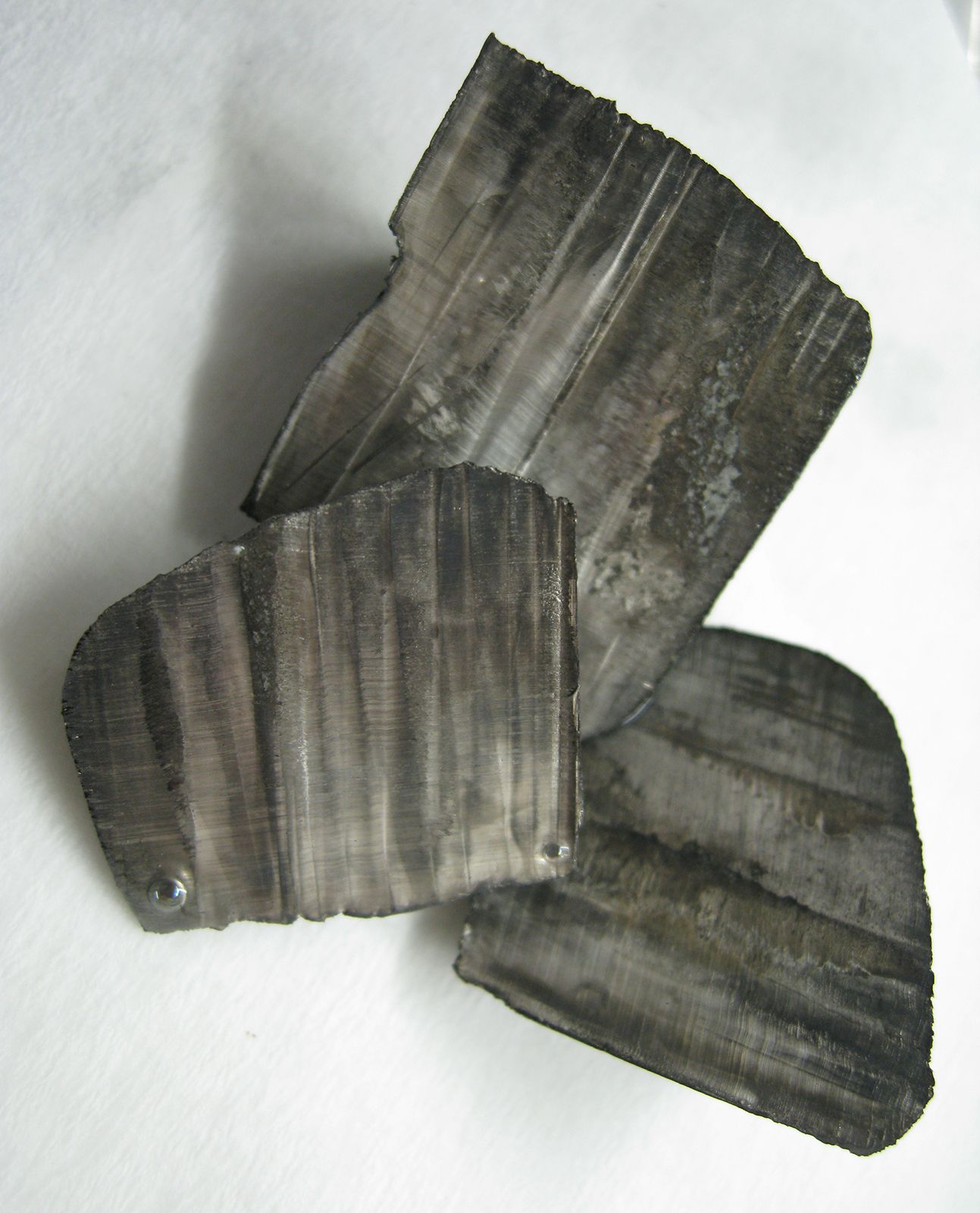
Lithium is the third element on the periodic table (atomic number 3). It is the lightest known metal and the least dense solid element at room temperature. Unlike most metals, lithium is soft enough to be cut with a kitchen knife and has a silvery-white appearance when freshly cut, though it quickly tarnishes to a dull gray when exposed to air.
Lithium is highly reactive and is never found in pure form in nature. Instead, it exists in trace amounts in minerals, brines, and clays.
Interesting fact: Lithium is one of only three elements created in the Big Bang (along with hydrogen and helium). All other elements were made later inside stars.
Key Properties
| Property | What It Means |
|---|---|
| Color | Silvery-white (when freshly cut) |
| State at room temperature | Solid metal |
| Density | Extremely light — floats on water |
| Reactivity | Very reactive, especially with water |
| Melting point | Low for a metal (180.5 degrees Celsius) |
| Electrical conductivity | Very good |
Where Do We Find Lithium in Daily Life?
You almost certainly own or use something that contains lithium.
In Rechargeable Batteries
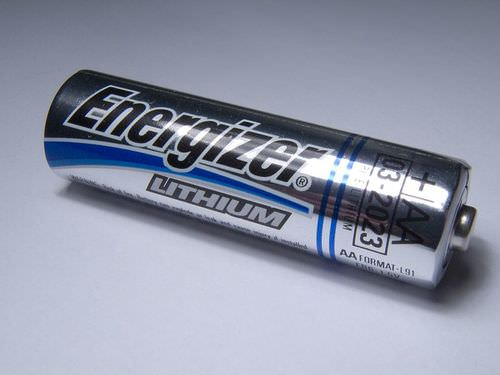
Lithium-ion batteries power nearly all modern portable electronics: smartphones, laptops, tablets, smartwatches, electric toothbrushes, power tools, and electric vehicles (EVs) such as those made by Tesla, Nissan, and others. These batteries are lightweight and can store a large amount of energy relative to their size.
In Medicine
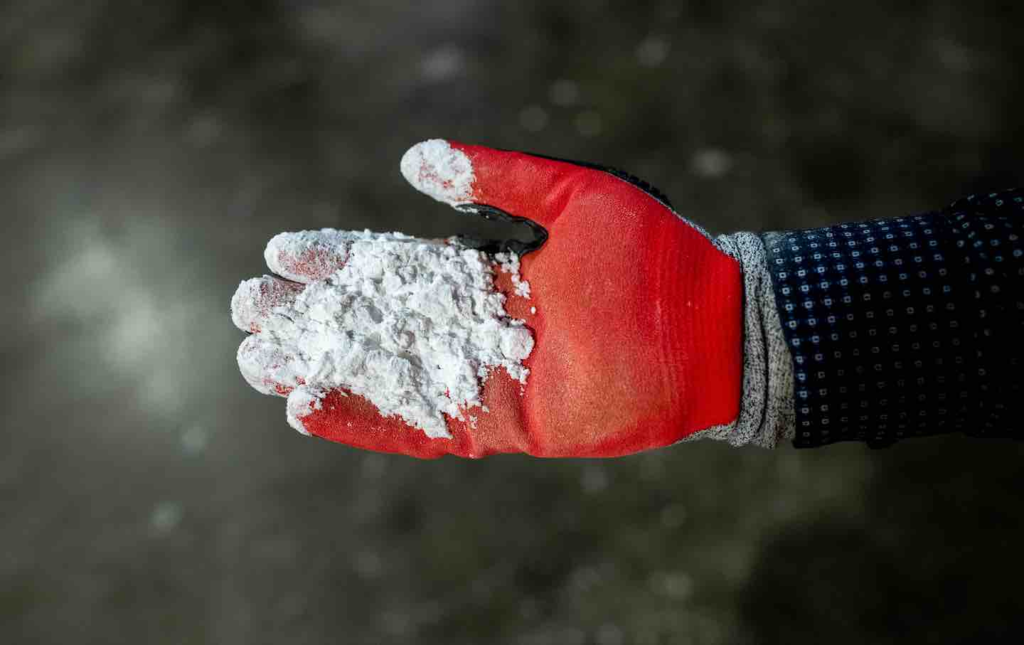
Lithium salts have been used for decades as a mood-stabilizing medication, particularly for bipolar disorder. It remains one of the most effective treatments for preventing extreme mood swings, though doctors do not fully understand exactly how it works in the brain.
In Heat-Resistant Glass and Ceramics
Lithium is added to glass and ceramics to make them resistant to heat expansion. Pyrex-style glass cookware and certain oven-safe ceramics often contain lithium compounds. Telescope lenses and smartphone screens may also contain lithium for durability.
In Lubricating Greases
Lithium-based greases are used in car wheel bearings, industrial machinery, and many household appliances. These greases perform well across a wide range of temperatures and resist water washout better than many alternatives.
In Air Purification
Lithium hydroxide is used in submarines and spacecraft (including the International Space Station and Apollo missions) to remove carbon dioxide from the air. It absorbs CO₂ chemically, keeping the air breathable for crew members.
In Aluminum and Alloys
Adding small amounts of lithium to aluminum makes the resulting alloy lighter and stiffer. Such alloys are used in aircraft fuselages, bicycle frames, and some high-performance car parts.
Interesting Facts About Lithium
- Lithium is so light that it floats on water. However, it reacts vigorously with water, producing hydrogen gas and heat. In fact, the reaction can be strong enough to ignite the hydrogen, causing a small flame.
- Lithium gets its name from the Greek word “lithos,” meaning stone. It was discovered in a mineral called petalite in 1817 by Swedish chemist Johan August Arfwedson.
- Unlike most metals, lithium does not form a protective oxide layer when exposed to air. Instead, it reacts continuously with nitrogen and oxygen, turning black or gray within seconds of being cut.
- One kilogram of lithium can store about the same amount of energy as four kilograms of lead-acid batteries. That is why electric cars and drones use lithium batteries — they save weight.
- The largest known lithium reserves are found in the “Lithium Triangle” of South America, which spans parts of Chile, Argentina, and Bolivia beneath salt flats. Australia is also a major producer.
- Lithium is one of the few elements that was first discovered in a mineral rather than in nature as a free element or compound. The famous Brazilian mineral petalite contained enough lithium for Arfwedson to identify it.
- When lithium burns, it produces a bright crimson or deep red flame. This property is sometimes used in fireworks and red signal flares.
- Stars produce lithium by fusion, but they also destroy it quickly. This is why scientists are puzzled by the fact that older stars sometimes contain more lithium than theory predicts.
- Lithium batteries can catch fire if damaged, overcharged, or exposed to high heat. The resulting fire is difficult to extinguish with water because lithium reacts with water. Special fire extinguishers are required.
- There is a natural isotope of lithium called lithium-6 that is used in nuclear fusion reactors and in the production of tritium (a radioactive isotope of hydrogen) for nuclear weapons.
- Lithium is considered a critical element by many governments because of its importance for electric vehicle batteries and renewable energy storage. Securing lithium supplies has become a matter of economic and national security.
- Some mineral springs and natural waters contain small amounts of lithium. In very low concentrations, it may contribute to mental health, though this is still being studied.
A Safety Note
Pure lithium metal is dangerous to handle. It reacts violently with water, acids, and even moisture in the air. Lithium batteries are generally safe in normal use, but damaged or overheated batteries can catch fire. Never attempt to open a lithium battery or throw one into a fire. Dispose of lithium batteries at designated recycling points.
Summary in One Sentence
Lithium is the lightest metal, essential for rechargeable batteries in phones and electric cars, used in bipolar disorder medication, and so reactive that it floats on water while producing flammable hydrogen gas.
For Science Lovers (Quick Reference)
- Symbol: Li
- Atomic number: 3
- Atomic mass: approximately 6.94 u
- Electron configuration: 1s² 2s¹
- Melting point: 180.5 degrees Celsius
- Boiling point: 1342 degrees Celsius
- Density: 0.534 grams per cubic centimeter (less than water at 1.0)
- Main isotopes: Lithium-6 (about 7.5 percent natural abundance), Lithium-7 (about 92.5 percent)
- Hardness: 0.6 on Mohs scale (similar to talc, very soft)
Leave a Reply